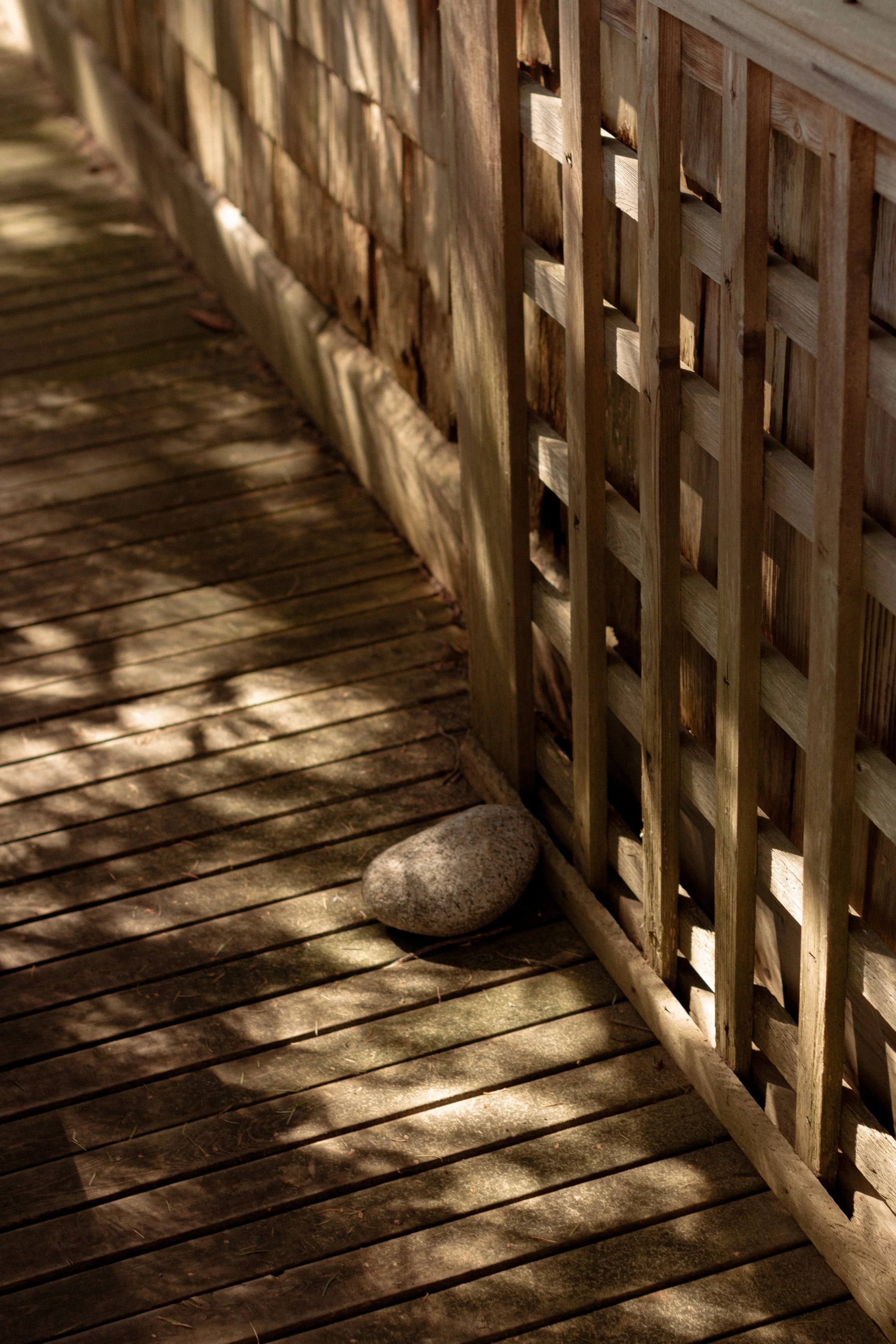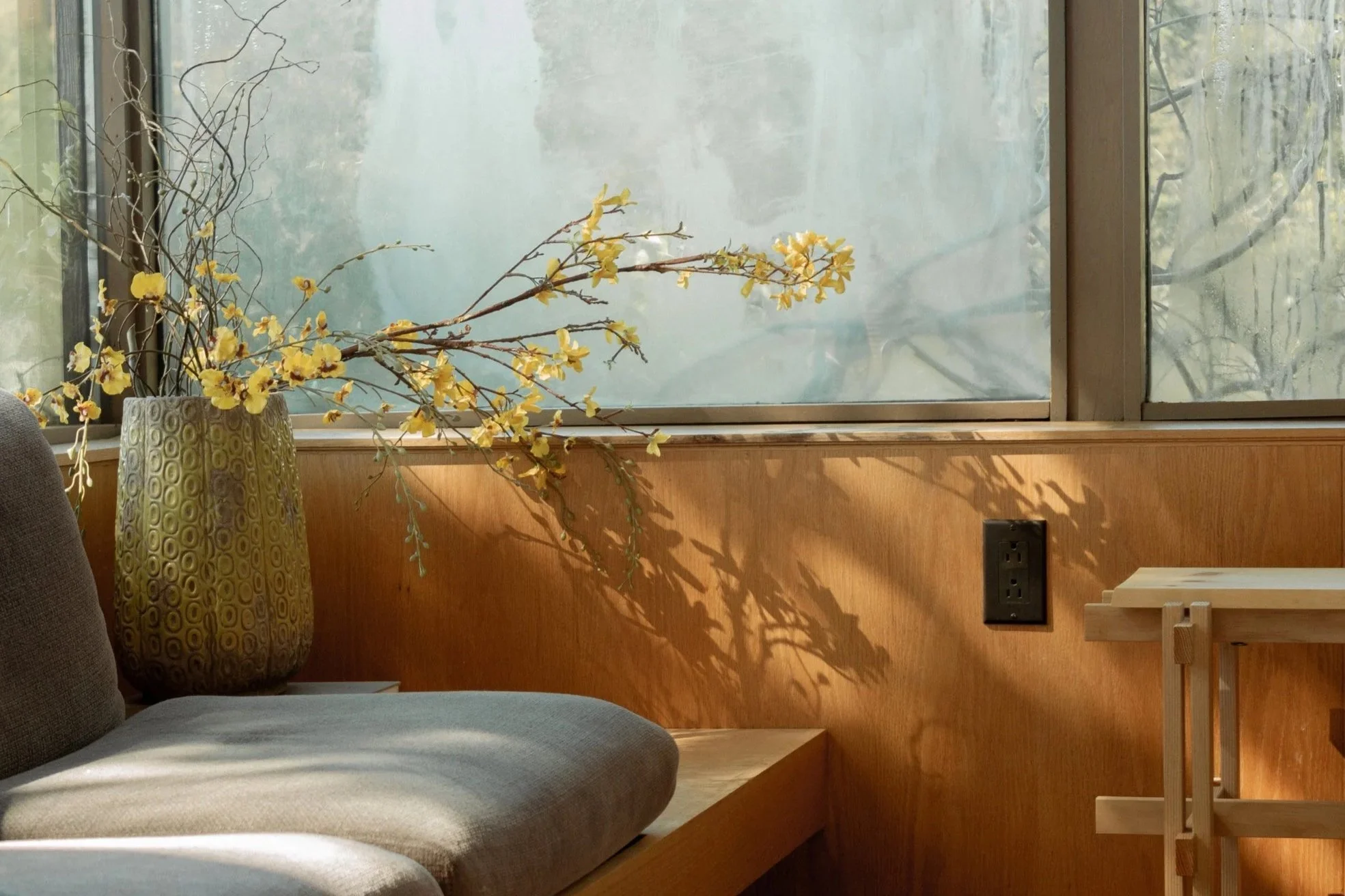
At the core of our work is The Circadian Home — a framework that places human biological rhythm at the centre of design.
Circadian rhythm governs sleep, energy, focus, and recovery. It is regulated primarily by light, but also influenced by material, temperature, and spatial sequence. When these elements are misaligned, the body compensates. When they are calibrated, the environment begins to support rather than disrupt.
We translate this understanding into spatial design.
Morning light is received where the day begins. Spaces for gathering are activated as daylight deepens. Transitions are designed to slow the body, allowing movement between activity and rest to unfold gradually rather than abruptly.
The home becomes not a static container, but a responsive system — attuned to both its inhabitants and its surroundings.
The Circadian Home